
Why did Paraguay wake up to find its bank accounts blocked?
How did the crisis bring down President Santiago Peña?
In this article — choose a section
Why did Paraguay wake up to blocked bank accounts?
Pensioners were left without their pensions, traders without revenue, and depositors took to the streets of Asunción. As they waited to find out when they would receive their money, the Senate was discussing one of Santiago Peña's appointments. For governor of the central bank, the president had chosen the former head of Ueno.
On November 3, Favio Marcelo Vargas lost access to part of his savings and to the accounts of his transport company. He had money in another bank, so he could continue working. But his customers also had accounts with Ueno. In the weeks before Christmas, when his phone would usually ring with requests for deliveries and moving services, people stopped placing orders. Vargas began checking the central bank’s website several times a day. To BBC Mundo he explains what attracted him to Ueno: discounts at shops, pharmacies and gas stations. A sensible account for someone who earns his living by transporting goods. The quality of bank assets, however, is someone else’s job.
That is where the Paraguayan scandal begins. In a decision dated November 2 the central bank explained what it had found after adjustments to Ueno’s financial statements. The solvency ratio had fallen below half the required minimum. Put simply, the capital the bank must use to cover losses was dangerously small compared with the risks it had taken on. The regulator opened restructuring proceedings. Branches closed, services were suspended, and nearly three million customers learned what poor banking oversight looks like from the other side of the counter.
How many portfolios did Ueno Bank reach?
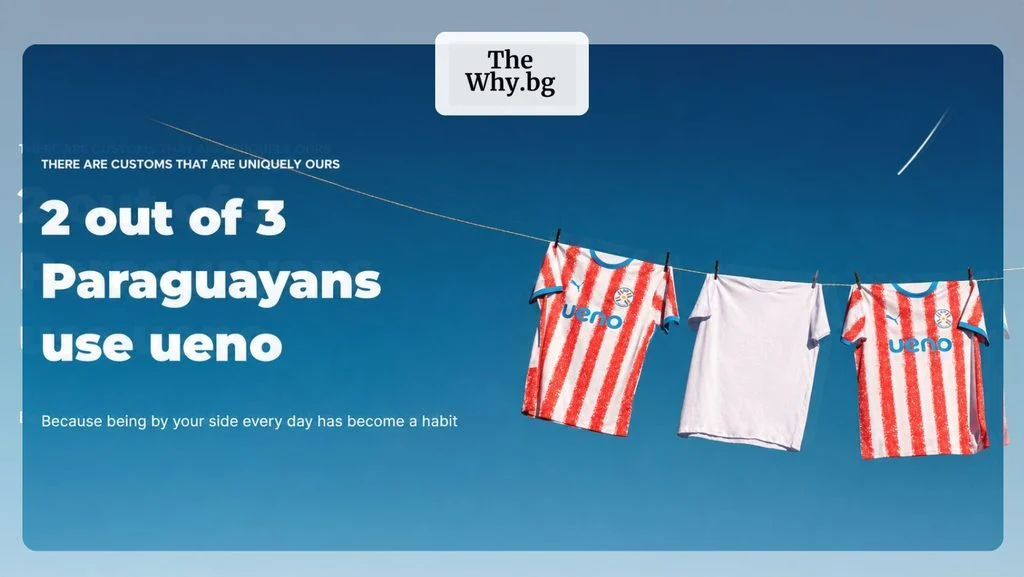
A claim spread on social media that Ueno held the money of 70% of Paraguayans. In its investor presentation the bank left us with a rare opportunity to check such a claim without even changing the page. One slide lists three figures as of March 2026.
| What Ueno measures | What it reports |
|---|---|
| Number of customers | Around 2.8 million, which the bank says is approximately 60% of the adult population |
| Share of the country’s issued credit cards | 43% |
| Share of deposits in the banking market | 9,1% |
By June, the number of customers reaches 2.9 million. Ueno ranks first in the country by number of customers and sixth by the volume of deposits and loans. Here is how both can be true. The card you pull out at a gas station may be from one bank, your salary may arrive in another, and your savings may be held in both. The number of cards does not show where the money is. But it does show how many people will feel it at the checkout if their bank closes.
There is a reason so many people chose the easy way to open an account. According to the World Bank’s Global Findex database in 2011, just 21.7% of Paraguayans aged 15 and over had an account at a financial institution or a mobile money service. By 2024, the share had reached 60.9%. For someone who can receive a transfer by phone for the first time, the convenience is entirely real. So, too, is the dependence on the bank through which that transfer passes.
Who checks the bank while the president holds shares in its holding company?
In 2023, Santiago Peña appointed Carlos Carvallo governor of the Central Bank of Paraguay. Before that, Carvallo had headed the financial company Ueno. Peña himself held shares in the holding company behind it until March 2025. Meanwhile, state institutions entrusted funds to the bank, including the institution that manages pensions for private-sector workers. The central bank says Carvallo recused himself from all decisions related to Ueno. Peña denies having committed any violation. Reuters tracked the appointments and the positions of both sides.
What was known before the collapse? In August, the International Monetary Fund recommended that Paraguay strengthen the independence and governance of its central bank. The assessment covered the country as a whole. Specific details about Ueno emerged on November 5, when rating agency FIX downgraded it from AA-py to Dpy. In the reasons for the downgrade it said that supervisors had uncovered transactions with related companies that the bank had failed to disclose in time, weaknesses in asset quality and gaps in the documentation. The agency said some information had not been provided to it. There had been far better public disclosure about the discounts at the pharmacy.
Carvallo resigned. As part of the investigation, Ueno founder Miguel Vázquez and former executives of the bank itself were detained. Peña also resigned on November 5. A day later, his defense lawyers argued before the Senate that following his resignation, parliament had no grounds to continue the proceedings. The senators continued. On November 6, those present voted unanimously to remove him from office for poor performance of his presidential duties. Vice President Pedro Alliana was sworn in the same day.
On November 16, a judge ordered Peña to be transferred to a military prison, while criminal proceedings were under way. The former president disputes the charges. The Senate has ruled on his office. The court is yet to rule on his criminal liability.
Where is the “erased” money?
The protests in Asunción are real. Reporters described thousands of demonstrators and clashes with police. The local ABC Color reported that seven people were detained after incidents in the capital’s center. The millions are Ueno’s customers.
On November 4, the strain was felt at other banks as well. So many people opened new accounts that some mobile applications began to go down. In its statement issued that same day the regulator listed what continued to work: ATMs, online banking through browsers and service at branches of the other banks. The crisis blocked Ueno’s services.
By November 11, payments totaling 1,812,348 depositorshad been recorded under the deposit guarantee scheme. People with smaller sums received their entire deposits, while the rest in this first group received up to the advance-payment ceiling. For some certificates of deposit, access to the money requires additional verification of the holder. EFE’s report of November 16 tracked what had been paid and what was still pending. For the depositor, the difference is enormous. It is one thing to have a recognized claim that is inaccessible today. It is quite another for someone to have erased the evidence that the money was ever there.
And the pensioners?
Around 32,000 people received their pensions through Ueno. After it closed, the social security institute transferred their accounts to eight other banks. Payment of November pensions and the annual supplement, initially scheduled for November 17, began on November 16. This was confirmed by the institute itself and its chairman, Derlis León.
One major “BUT” remains… Ueno also holds funds invested by five pension funds. To recover them, the regulator must determine which of the bank’s assets can be sold or transferred and which liabilities they will cover. Thus, on November 16, a Paraguayan pensioner may receive their monthly pension through the new bank while the money of the fund that pays it is still being settled at the old one.
Comments